
5 Essential Tools Every Beginner Carpenter Needs
Stop wasting money on tools you don't need. Here's the starter toolkit that actual carpenters use (and the one 'tool' most people forget).
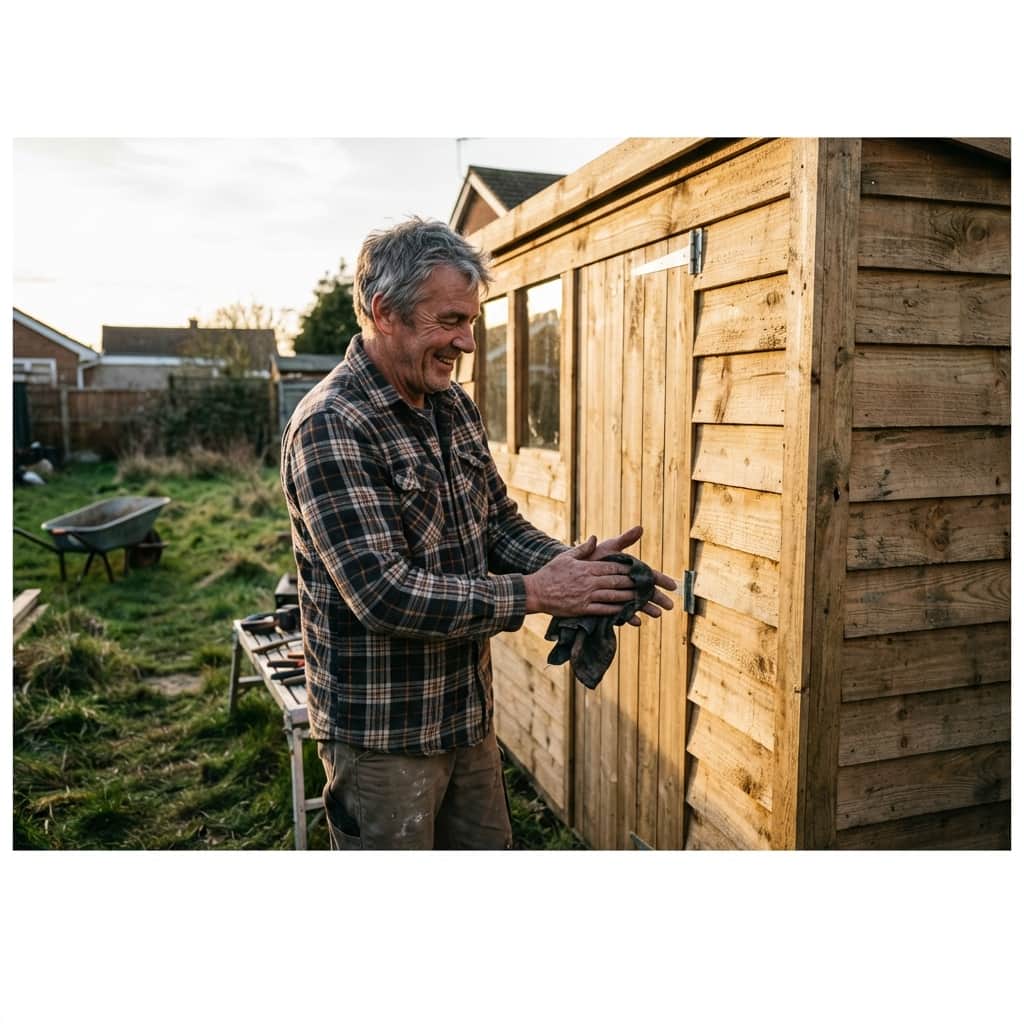
You Don't Need a $3,000 Workshop to Start
Let me guess.
You walked into a hardware store, saw the tool aisle, and felt overwhelmed.
There are 47 types of hammers. Your buddy swears you need a compound miter saw. YouTube says you need a Kreg jig. The salesperson is pushing a pneumatic nail gun.
Here's the truth: You can build 90% of beginner projects with 5 tools that cost less than $300 total.
I'm about to save you thousands of dollars in "tools you thought you needed."
The Core 5 (Non-Negotiable)
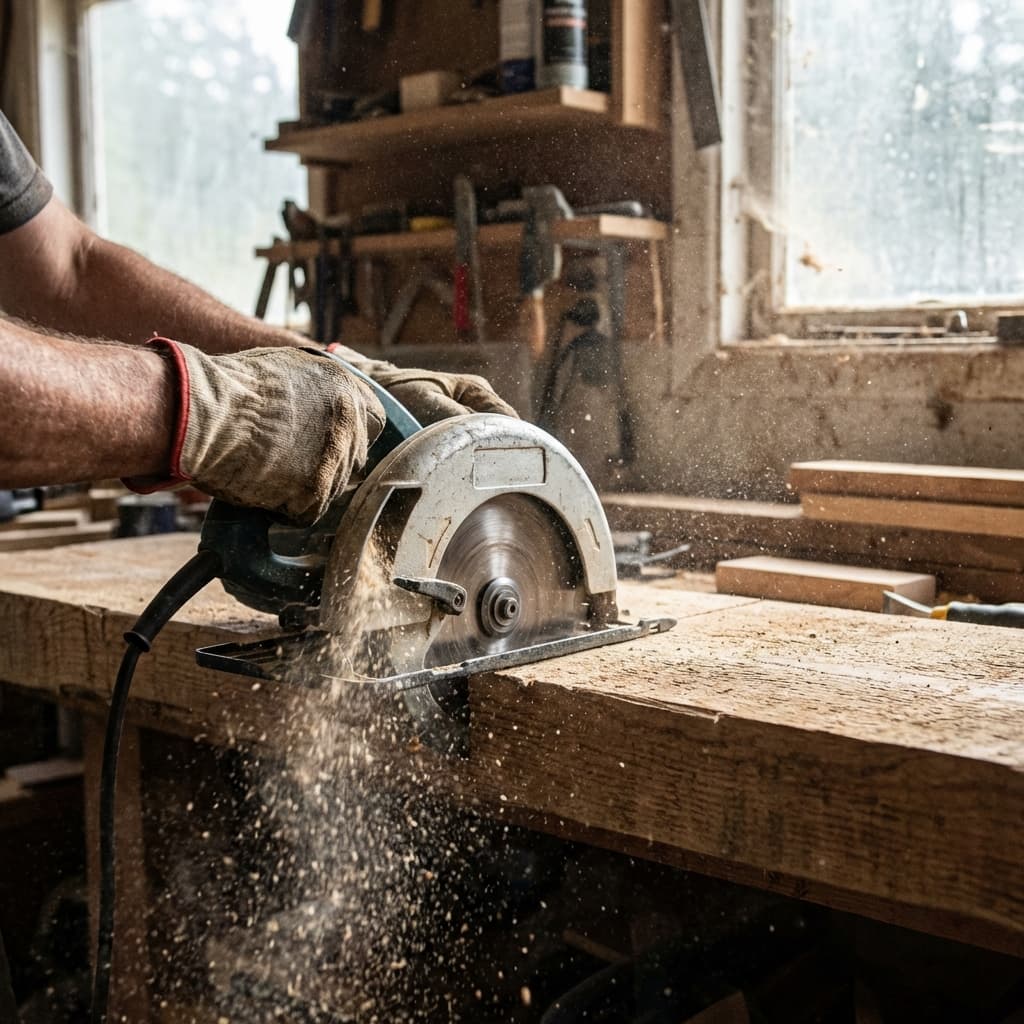
1. Circular Saw ($80-$150)
This is your workhorse.
Forget the table saw for now. A good circular saw with a straight edge guide can cut plywood, 2x4s, and trim with pro-level accuracy.
What to buy:
- Corded is fine for beginners (cheaper, more power)
- 7¼" blade is standard
- Look for brands like DeWalt, Makita, or Ryobi
Always wear safety glasses and ear protection when operating a circular saw. Keep your hands away from the blade path and ensure the material is properly secured before cutting.
Pro Tip: Spend $15 on a 50" aluminum straight edge. Clamp it down, run your saw along it, and you'll get cuts as straight as a $500 table saw.
2. Cordless Drill/Driver Combo ($100-$180)
You'll use this more than any other tool.
Driving screws. Drilling pilot holes. Mixing paint (yes, really).
What to buy:
- 18V or 20V platform
- Get the combo kit with drill + impact driver
- Battery compatibility matters—stick with one brand
3. Tape Measure (25ft minimum) ($12-$25)
The cheap $5 ones break in a week.
Invest in a quality tape with a locking blade and a sturdy hook. You'll measure 1,000 times per project.
Why: A bent or loose tape = every measurement is off by ⅛". That adds up fast.
4. Speed Square ($8-$15)
This $8 piece of aluminum is magic.
It marks 90° angles, 45° angles, and guides your circular saw for crosscuts. Every carpenter has one clipped to their belt.
Bonus: It's nearly indestructible. You'll use the same one for 20 years.
5. 4-Foot Level ($25-$50)
Crooked shelves. Slanted deck posts. Wobbly tables.
All preventable with a good level.
What to buy:
- 4 feet is the sweet spot (long enough for accuracy, short enough to be portable)
- Look for one with a top-read window (easier to see when it's on the ground)
The "Secret" 6th Tool (Most People Skip This)
Alright, you've got the physical tools.
But here's where most beginners waste the most money: they start building without a solid plan.
I've watched friends spend $200 on lumber, cut everything wrong because they eyeballed the measurements, and then have to buy all new wood.
A professional blueprint is a tool.
Think about it:
- It tells you exactly how much material to buy (no guessing = no waste)
- It shows you the cut list (no math errors)
- It prevents the "measure 10 times, cut wrong anyway" problem
You wouldn't start a road trip without a map. Don't start a project without a verified plan.
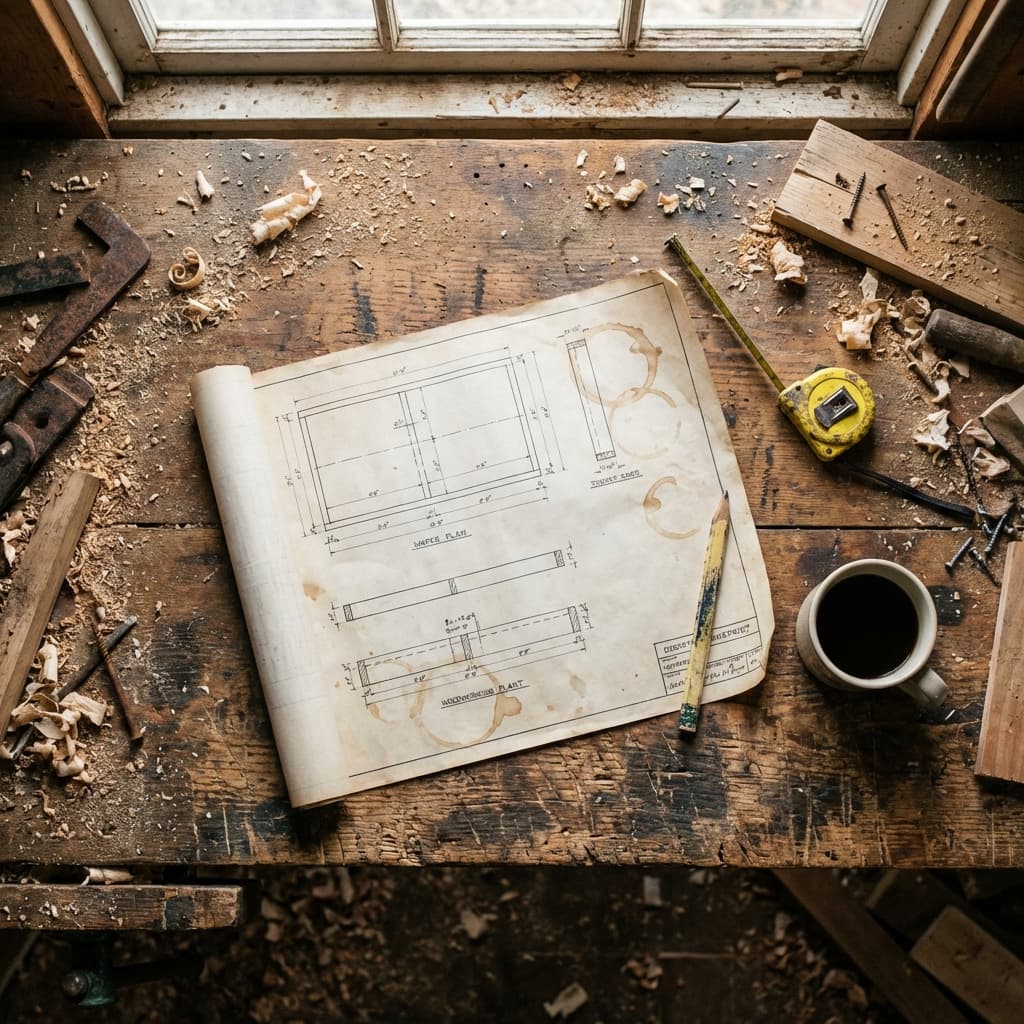
I've seen too many people nail together a project, step back, and realize the door is 2 inches too narrow. No amount of sanding fixes that.
A $30 plan saves you $200 in wasted materials. Every. Single. Time.
Tools You DON'T Need Yet
Let's save you some money. Here's what you can skip for now:
Table Saw
Great tool. Not necessary for beginners. A circular saw + straight edge does 95% of what a table saw does.
Wait until: You're building cabinets or doing lots of rip cuts.
Miter Saw
Nice to have. Not essential. Your circular saw + speed square can make clean crosscuts and miters.
Wait until: You're doing trim work or need to make 50+ identical cuts.
Nail Gun
Fun, fast, loud. Also easy to mess up with.
Wait until: You're comfortable hand-nailing and understand when pneumatic fasteners are actually better (hint: not always).
Jigsaw
Useful for curves. But if you're building sheds, benches, and shelves? You won't need curves yet.
Wait until: You want to make decorative cuts or install a sink.
Your First Purchase Strategy
Here's how I'd spend $300 if I were starting today:
- Ryobi 18V Drill/Driver Combo Kit – $150 (includes 2 batteries and charger)
- Ryobi Circular Saw (same battery platform) – $60 (tool only, uses the drill batteries)
- 25ft Tape Measure – $20
- Speed Square – $10
- 4-Foot Level – $40
- Aluminum Straight Edge – $20
Total: $300
That setup will build your first shed, workbench, deck, or bookshelf without breaking a sweat.
The Real Secret to Good Woodworking
You know what separates amateur projects from pro-level builds?
It's not the tools.
I've seen guys with $10,000 workshops build crooked decks. And I've seen beginners with a circular saw and a drill build furniture that looks like it came from a catalog.
A professional blueprint isn't just a guide; it's a technical document that prevents expensive mistakes. It's the most important "tool" in your kit.
So before you buy that fancy router or belt sander, invest in one solid plan for your first project. Execute it cleanly. Learn the process.
When buying lumber, always check for "crown" or warping. Sight down the length of the board like a pool cue; if it's curved, put it back. Quality projects start with straight wood.
Then, as you take on bigger projects, add tools as you need them.
Start Simple, Build Smart
You've got this.
You don't need a showroom full of tools. You need 5 reliable pieces of equipment and a clear plan.
Pick a project. Get a verified blueprint. Buy the tools above. And start building.
The second project will be easier. The third will feel natural. By the fifth, you'll wonder why you ever found this intimidating.
Good luck out there. Measure twice, cut once, and don't overthink it.
– Mark