
What is the Best Wood for Building an Outdoor Shed?
Choosing the wrong lumber is the fastest way to watch your DIY backyard shed rot into the dirt. Discover the best wood types for framing, siding, and flooring.
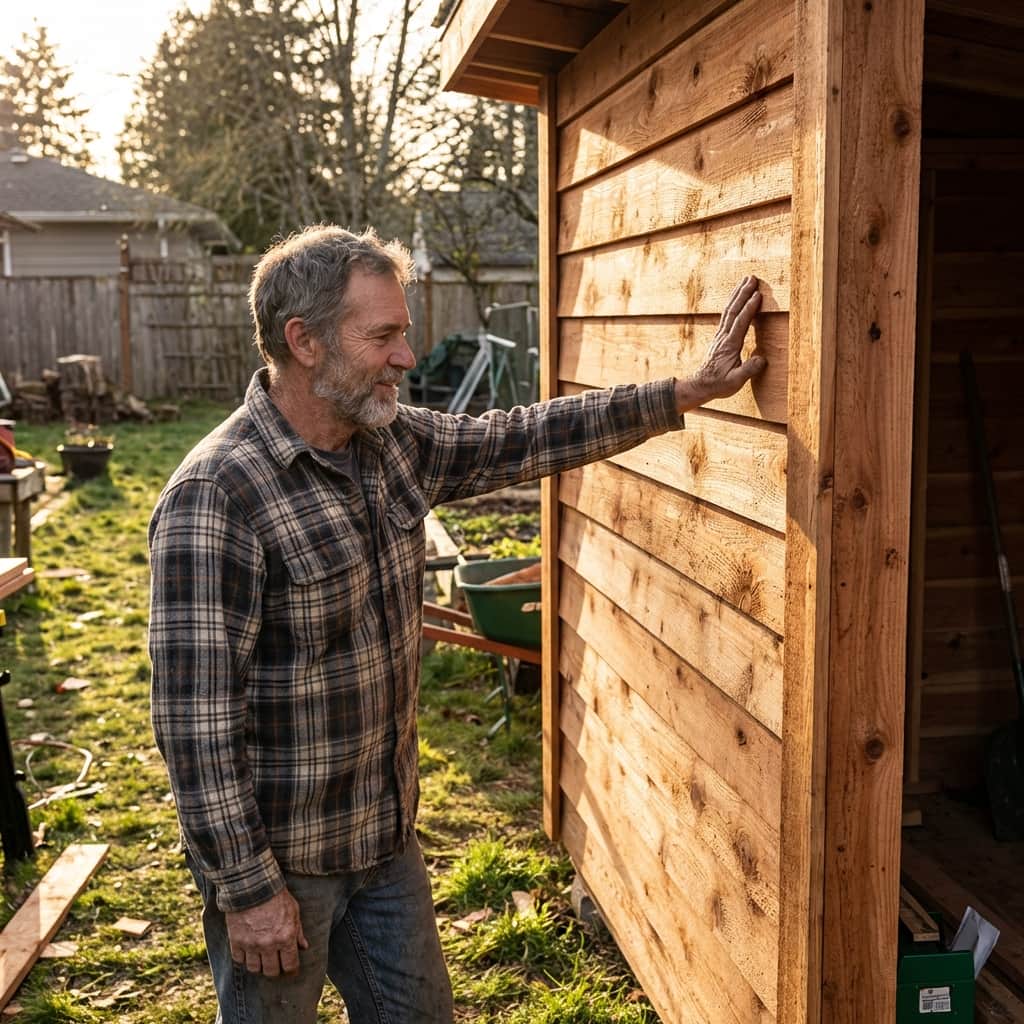
When you are planning a DIY outdoor build, the lumber yard can feel incredibly overwhelming.
You stand in the aisle staring at stacks of Douglas Fir, Pressure-Treated Pine, Cedar, and Spruce. They all look like wood, but their prices are wildly different—and so is their performance under rain, snow, and sun.
Choosing the wrong species is the single most common mistake that dooms a backyard build. If you use standard framing studs for ground contact, your beautiful structure will rot into compost within three years.
Let's break down exactly which wood you should use for every part of your shed so you don't waste a single dollar.
1. The Foundation and Floor: Pressure-Treated Wood is Mandatory
Your shed's foundation and floor framing will sit inches from the damp grass. Moisture will rise from the soil, creating a permanent high-humidity zone underneath the structure.
For this area, pressure-treated (PT) pine is your only option.
Chemical treatment forces preservatives deep into the wood fibers, making it completely immune to fungal decay, rot, and termites.
- Skids (runners): Use heavy-duty 4x4 pressure-treated skids rated for "Ground Contact."
- Floor Joists: Use 2x6 pressure-treated joists spaced 16 inches on center.
- Floor Decking: Go with 3/4-inch pressure-treated plywood. Avoid OSB (Oriented Strand Board) for the floor, as it swells and disintegrates if it gets wet.
2. Wall and Roof Framing: Standard SPF (Spruce-Pine-Fir)
Once you get above the floor deck, the wood is protected from ground contact. You do not need expensive pressure-treated lumber for your wall studs and roof trusses.
In fact, you shouldn't use it. Pressure-treated lumber is heavy, prone to warping as it dries, and harder to nail.
Instead, use standard SPF (Spruce-Pine-Fir) dimensional lumber.
- Wall Studs: Standard 2x4 framing studs are cheap, lightweight, and perfectly strong enough.
- Rafters and Trusses: 2x4 or 2x6 SPF boards will span your roof beautifully and remain dry under the shingles.
Before heading to the lumber yard to buy your framing boards, make sure you are working from a proven, tested set of best shed plans for DIY. Having a professional CAD layout will give you a completely optimized shopping list, preventing you from over-buying or making expensive wrong cuts.
3. Exterior Siding: Cedar vs. LP SmartSide
This is the face of your shed. It will take the brunt of the weather. You have two excellent options here, depending on your budget and aesthetic preference:
Option A: Cedar (The Natural Champion)
Cedar is the absolute best wood for building a shed exterior if you love natural wood. It contains natural oils that repel bugs and completely resist rot. It smells incredible and ages to a beautiful, rustic silver-gray patina.
- Best for: Board-and-batten siding or horizontal lap siding.
- Downside: It is highly expensive.
Option B: LP SmartSide (The Smart Engineered Alternative)
This is an engineered wood siding treated with zinc borate to resist rot and termites. It comes in pre-primed panels that look exactly like real wood but are highly durable, completely flat, and much cheaper than cedar.
- Best for: T1-11 style panel siding.
- Downside: Must be painted to protect the edges from moisture over time.
Summary of the Ideal Lumber Layout
To build a shed that stands for 30+ years without overspending, use this strategic blueprint:
| Shed Part | Wood Type | Why It Matters |
|---|---|---|
Foundation Skids | 4x4 Pressure-Treated (Ground Contact) | Prevents rot from direct soil contact. |
| Floor Frame | 2x6 Pressure-Treated Pine | Resists high humidity underneath the deck. |
Wall & Roof Framing | 2x4 Standard SPF (Pine/Fir) | Cheap, lightweight, and easy to nail. |
Exterior Siding | Cedar Siding or LP SmartSide panels | Takes the brunt of weather; must resist rot. |
By choosing the right wood for the right location, you will save hundreds of dollars upfront and construct a backyard workspace that is built to last.
Keep your edges sharp,
– Mark