
Essential Tools You Need to Build Your Own Garden Shed
You don't need a professional carpentry workshop to build your own shed. Here are the essential hand and power tools you actually need for a DIY build.
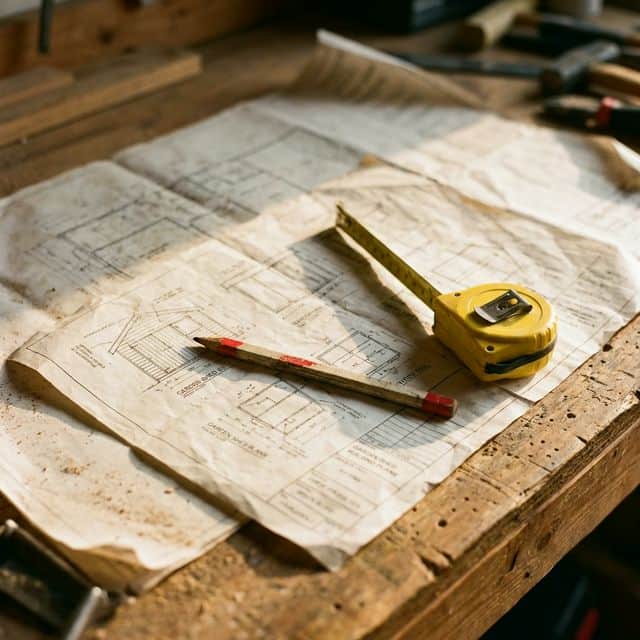
When you look at beautiful, custom-built backyard sheds on Instagram or Pinterest, it is easy to assume you need thousands of dollars in industrial carpentry tools to achieve those same results.
I have good news for you: you don't.
You do not need a commercial table saw, a heavy jointer, or a professional framing nailer to build a durable, high-quality garden shed.
With just a few basic hand tools and two essential power tools, you can confidently build a shed from the ground up.
Let's review the exact list of tools you actually need to build a professional-quality shed over a weekend.
1. The Power Tool Essentials: The Big Two
If you are going to invest in power tools, spend your money on these two items. They do 95% of the heavy lifting.
The Circular Saw
A high-quality 7-1/4 inch circular saw is the king of the DIY framing jobsite. You will use it to cut every single 2x4 stud, 2x6 floor joist, and sheet of plywood siding.
- Pro Tip: Buy a dedicated, 24-tooth carbide framing blade. It cuts through tough pressure-treated wood like butter and stays sharp much longer.
The Cordless Drill/Driver Combo
You will need a drill to pre-drill holes and an impact driver to drive large construction screws into your framing joints.
- Why it matters: Standard drills can easily strip screw heads. An impact driver uses rotational blows to drive 3-inch screws effortlessly, saving your wrist and your time.
2. Hand Tool Essentials: Precision and Layout
Framing is all about speed and squareness. If your cuts aren't square, your wall frame won't sit straight.
- Speed Square: The absolute most important hand tool. You will use this metal triangle to draw perfect 90-degree and 45-degree cut lines on your lumber.
- Measuring Tape (25-foot): Go with a wide, heavy-duty tape that can stand out at least 8 feet without buckling.
- Chalk Line: Essential for snapping long, perfectly straight lines across plywood subfloors and siding sheets before cutting.
- Spirit Level (48-inch): Do not buy a short torpedo level for framing walls. You need a long 4-foot level to ensure your wall plates and door posts are completely plumb (vertical) and level (horizontal).
3. Assembly and Safety Gear
- Framing Hammer (16 or 20 oz): Even if you use screws, you need a heavy hammer to tap framing studs into perfect alignment before fastening them.
- Heavy-Duty Bar Clamps: Extremely useful when edge-gluing trims or holding warped studs in place while you screw them down.
- Eye and Ear Protection: Circular saws are incredibly loud and spray fine wood dust. Never make a cut without safety glasses and earplugs.
The Essential Tool Checklist: What You Need
Here is a quick summary checklist to make sure your toolbox is ready for action:
| Tool Name | Role in Shed Build | Priority |
|---|---|---|
| Circular Saw | Cutting studs, joists, and siding sheets. | Mandatory |
Impact Driver | Driving 3" framing screws effortlessly. | Mandatory |
| Speed Square | Drawing perfect 90-degree framing lines. | Mandatory |
48-Inch Spirit Level | Ensuring floor and walls are dead level and plumb. | Mandatory |
| Chalk Line | Snapping straight guidelines for plywood siding. | Recommended |
Having the right tools is only half the battle. To ensure you don't waste wood or make incorrect cuts, always work from a professional CAD blueprint. Check out our selection of the best shed plans for DIY to download complete tool lists and exact step-by-step assembly diagrams.
Building a garden shed is a highly satisfying, weekend-scale project. By gathering these essential tools beforehand and following a proven plan, you will save time, avoid frustration, and build a structure that stands proud for decades.
Keep your saw sharp and your edges straight,
– Mark