
Shed Wood Selector: The Ultimate Rot-Resistance Guide for Your Build
Don't let fungal decay destroy your investment. Learn exactly which ground-contact rated lumber to use for your foundation, and how to protect your shed's walls from moisture damage and termites.
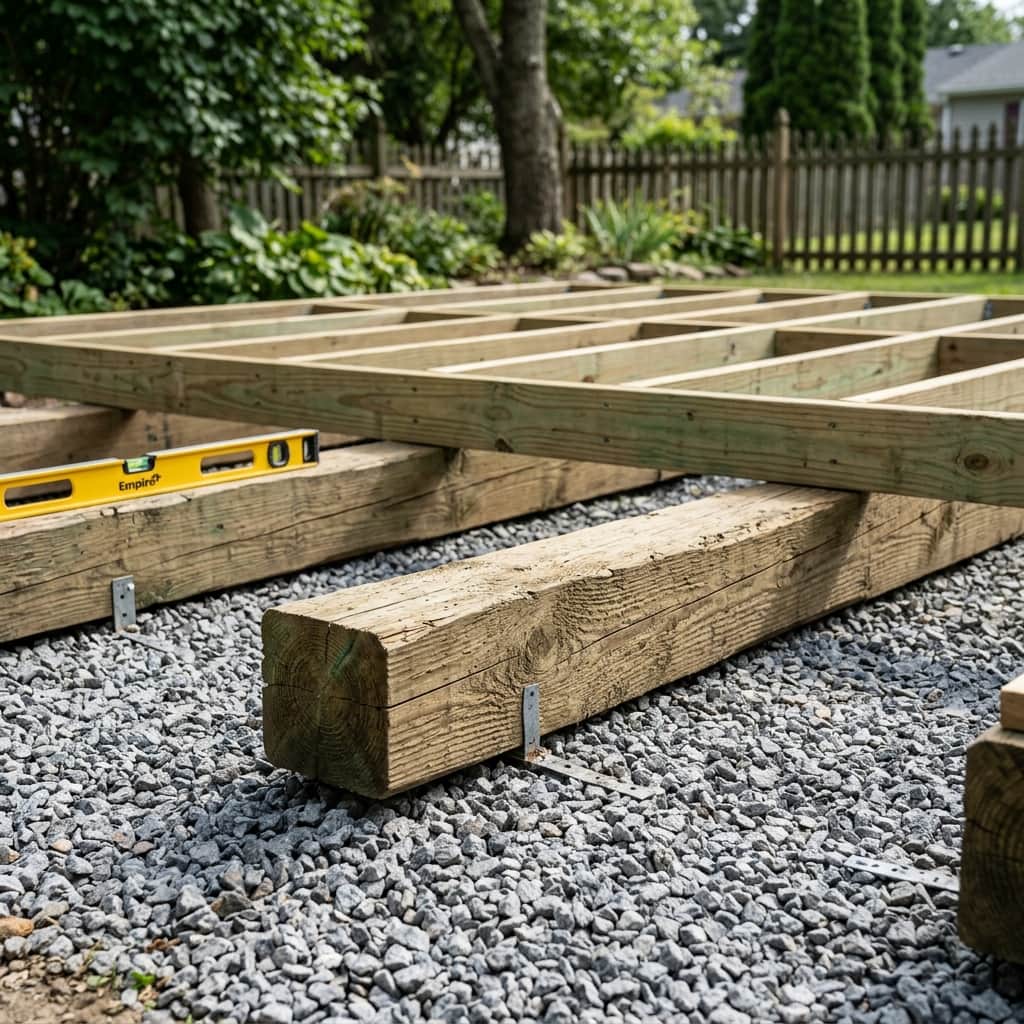
Table of Contents
Building a shed is a significant investment of both time and money. While it's tempting to walk into a big box store and buy the cheapest 2x4s available, doing so is the fastest way to guarantee your shed will be rotting from the ground up in less than three years.
To build a shed that lasts a lifetime, you need to understand the biological properties of wood and how different treatments resist the elements.
The Number One Enemy of Sheds: Fungal Decay
When wood is exposed to moisture and oxygen, it becomes the perfect breeding ground for fungal decay. Fungi literally eat the cellulose in the wood fibers, turning a structurally sound beam into a spongy, crumbling mess.
Termites and carpenter ants often get the blame, but fungal decay destroys far more sheds every year.
To prevent this, we use a concept called "defense in depth"—combining naturally resistant species of wood, chemical treatments, and physical barriers. Let's break down exactly what wood to use for each part of your shed.
Foundation and Skids: The Ground-Contact Rule
The skids are the heavy timbers (usually 4x4s or 6x6s) that rest directly on your gravel pad or concrete blocks. Because they are the closest to the earth, they are at the highest risk of moisture wicking and insect attack.
What to use: You must use ground-contact rated pressure-treated lumber (specifically labeled UC4A or UC4B). This wood is saturated with a heavy concentration of copper azole or similar preservatives forced deep into the fibers.
What NOT to use: Never use untreated pine or fir for skids. Even standard pressure-treated lumber (rated only for "above ground" use) will fail quickly if it sits in puddles or wet soil.
Floor Joists and Decking: Creating a Moisture Barrier
Your floor joists sit on top of the skids. While they don't touch the ground directly, they are still exposed to damp air rising from the earth underneath the shed.
The Joists: Use standard pressure-treated 2x6s. They don't necessarily need the heavy ground-contact rating, but the chemical treatment will protect them from ambient humidity and splash-back from heavy rains.
The Flooring (Decking): This is a critical area. Many cheap pre-built sheds use standard OSB (Oriented Strand Board) for flooring. When standard OSB gets wet (like when you pull a snow-covered lawnmower inside), it acts like a sponge, swells, and eventually flakes apart.
Instead, use 3/4-inch pressure-treated plywood or a specialized engineered product like LP ProStruct flooring. These materials include a built-in moisture barrier and resins that prevent delamination even if water pools on the surface.
Wall Framing: Strength vs. Cost
Once you are above the floor platform, the rules change. The goal here is structural rigidity and keeping costs reasonable, as these boards should theoretically never get wet if your siding and roof are installed correctly.
What to use: Standard Kiln-Dried (KD) Spruce-Pine-Fir (SPF) 2x4s. These are cheap, strong, and easy to work with.
Important Note: Do not use pressure-treated lumber for wall studs. As pressure-treated wood dries out, it tends to warp, twist, and bow severely, which will completely ruin your straight walls.
Siding: Aesthetics vs. Durability
The siding is your shed's armor. It takes the brunt of the UV rays, rain, and snow.
1. T1-11 Plywood Siding
This is the classic shed look. It's cheap and provides excellent shear strength. However, it requires consistent painting or staining every few years to prevent delamination.
2. LP SmartSide (Engineered Wood)
This is currently the gold standard for DIY sheds. It looks like traditional wood but is treated with zinc borate to resist fungal decay and termites. It holds paint exceptionally well and won't warp or split like natural wood.
3. Cedar and Redwood
If you want a premium, unpainted natural wood look, Western Red Cedar and Redwood contain natural tannins and oils that resist rot and insects without chemical treatments. However, they are incredibly expensive and softer than pine, making them prone to denting.
The Secret to Longevity: Fastening and Wood Grain
Even the best pressure-treated lumber will fail if you install it incorrectly.
Water naturally follows the path of the wood grain. When you make a cut, you expose the porous end-grain, which acts like a collection of tiny straws waiting to suck up water. Always treat cut ends of pressure-treated lumber with a brush-on copper naphthenate preservative before assembling.
Furthermore, pay attention to your fastening hardware. The copper chemicals used in modern pressure-treated wood are highly corrosive to standard steel. You must use hot-dipped galvanized or polymer-coated exterior screws and nails. Standard bright nails or indoor drywall screws will rust away to nothing in less than two years, causing your shed to collapse even if the wood is perfectly fine.
Stop guessing with materials. Knowing which wood to buy is only half the battle. Knowing exactly how much to buy is where people lose money. Our recommended
professional shed building plans
include highly detailed, pre-calculated material lists that specify exactly which type of lumber you need for every single component, eliminating expensive waste at the lumber yard.